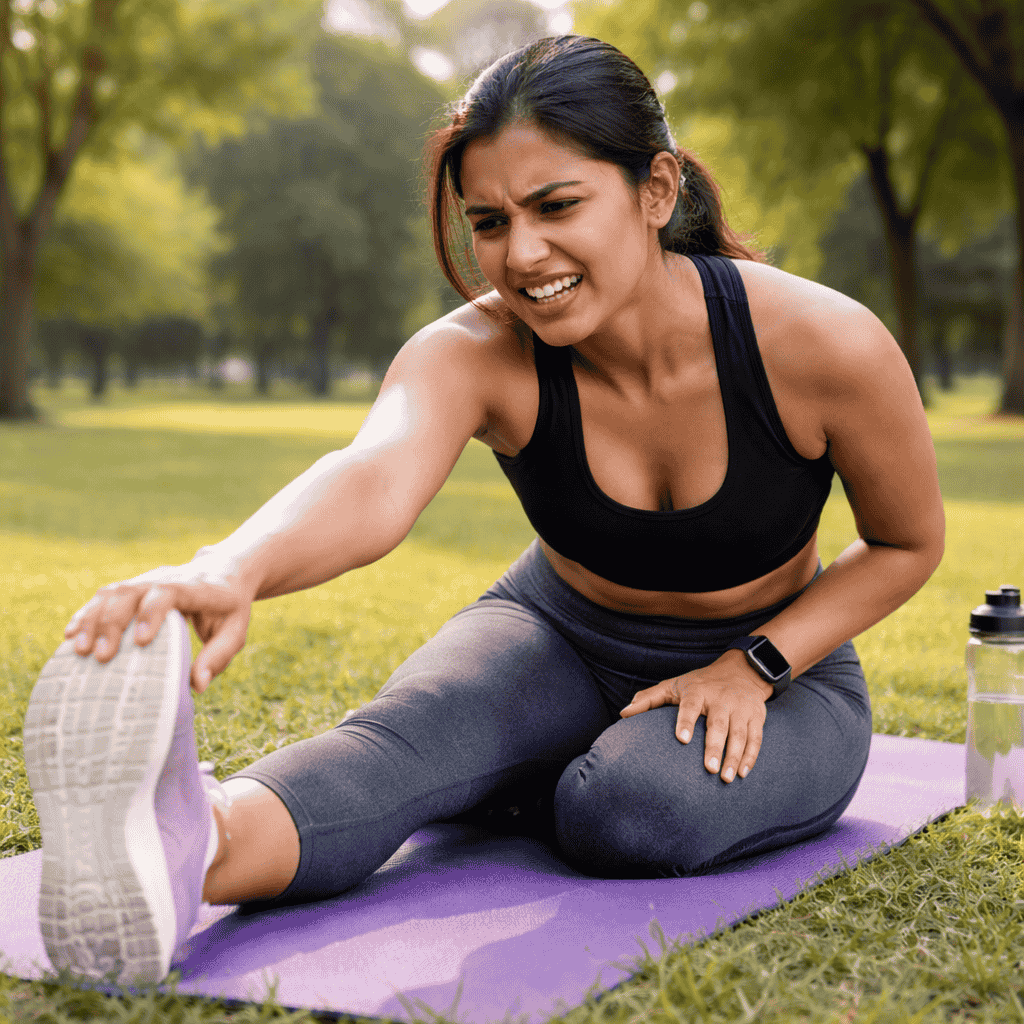
Why Poor Mobility Is Ruining Your Workouts
Many people train hard but still feel something is off in their workouts. Strength does not improve, form feels unstable, and movements feel restricted. This is where poor mobility in gym workouts becomes a real problem. Most people focus on lifting more weight but ignore how well their body moves.
When you understand how poor mobility affects workout performance, things start to make sense. Limited range of motion, tight muscles, and stiff joints reduce how effectively you train. This also affects how mobility affects strength and performance over time. If your body cannot move freely, it cannot produce power properly. Improving mobility for better workouts is not optional if you want real progress.
Signs of Poor Mobility in Your Training
1- Struggling to Go Deep in Squats
One of the biggest signs of poor mobility in workouts is difficulty going deep in squats. Heels may lift, knees may collapse, or balance may feel off. These are common mobility problems in squats and deadlifts. Tight hips and ankles restrict movement, which affects depth and control. This shows how poor mobility affects workout performance in the gym. When range is limited, muscles are not fully engaged, which reduces strength and increases injury risk over time.
2- Losing Form as Weight Increases
As weights get heavier, form starts breaking down. The back rounds, knees shift, and control is lost. This is not always a strength issue. Often it is poor mobility in training. When joints cannot move properly, the body compensates. These are clear signs of poor mobility in training. The effects of poor mobility on strength and form become visible during heavy sets. Without proper mobility, lifting heavier becomes unsafe and less effective.
3- Feeling Tight Even After Warming Up
You complete your warm up but still feel stiff. This is another common issue. Warm ups increase blood flow but do not fix deeper mobility restrictions. This shows how mobility affects strength and performance beyond basic preparation. Tight hips, shoulders, or ankles limit movement even after warming up. If you do not improve mobility for better workout performance, this tightness stays and affects every session.
How to Improve Mobility for Better Workout Performance
Improving mobility does not need to be complicated. Start by focusing on areas that feel tight like hips, hamstrings, shoulders, and ankles. Controlled stretching and mobility work should be part of your routine, not an afterthought. This is how to improve mobility for better workout performance in a practical way.
Use simple tools like a stretching strap to increase range safely. It helps you control movement and hold positions without strain. Over time, this reduces mobility problems in squats and deadlifts and improves overall form. Consistency matters more than intensity. Even short daily sessions can improve flexibility and movement. When mobility improves, strength, balance, and control improve with it.
Move Better | Live Better
If you want to go deeper, read our previous blog where we explained the use of Stretching Strap for proper posture. It will help you understand how to improve mobility for better workout performance step by step. You can also Follow us on Instagram for practical tips and real workout insights that actually help.
At KoreFit, we focus on building strength with better movement. Our Stretching strap is designed to support your mobility and improve your training quality. Stay consistent, keep improving, and just go for it
#justgoforit