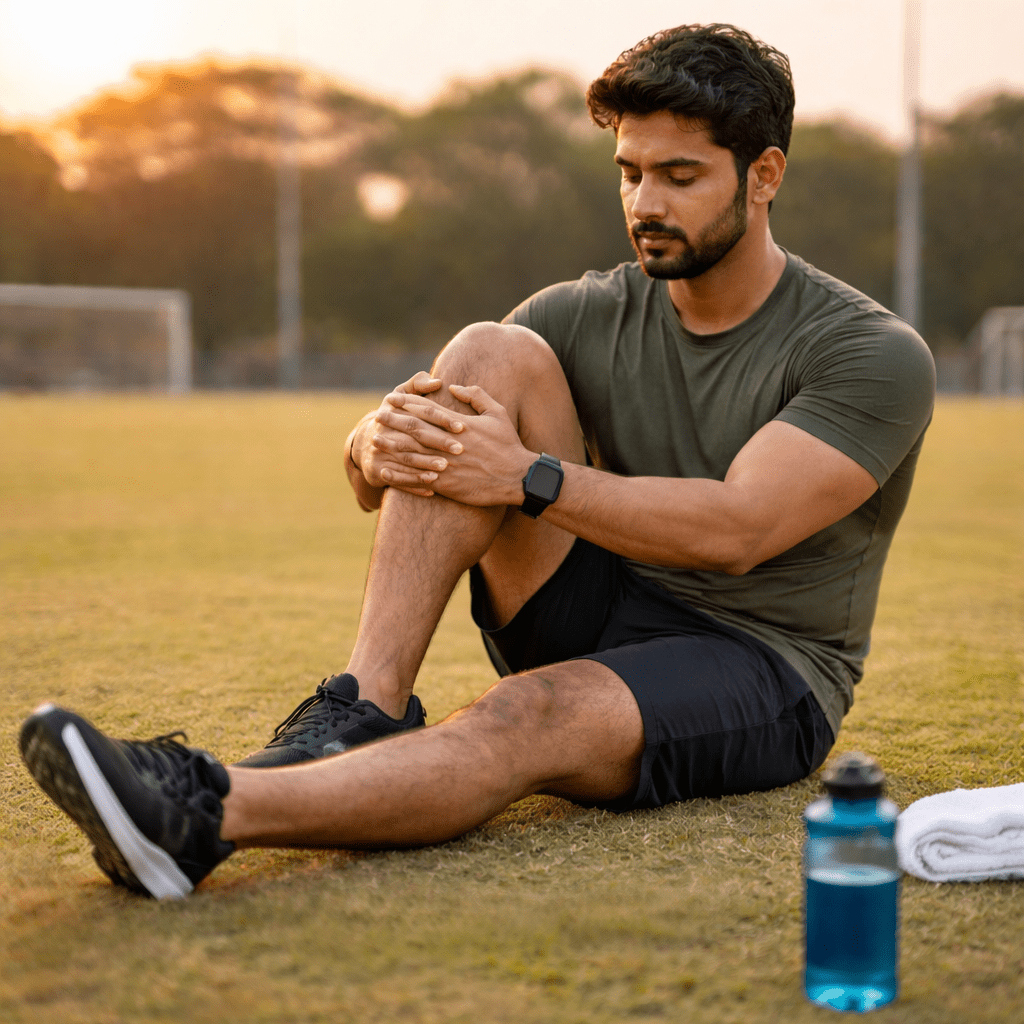
Why It Matters and How to Do It Right
Post workout recovery is essential for keeping the body strong, flexible, and pain free. When you exercise through running, skipping, or any form of cardio, your muscles go through stress and fatigue. Recovery helps the body repair muscles, reduce soreness, and restore energy levels. Without proper recovery, muscle soreness lasts longer, body stiffness increases, and workouts start feeling harder than they should.
Recovery after exercise improves muscle recovery and helps prevent injuries caused by overuse or tight muscles. It also supports better flexibility and smoother movement throughout the day. Many people think recovery means resting completely, but in reality, recovery is about active care. Simple habits like stretching, hydration, light movement, and using recovery tools make a big difference.
Understanding how to recover after workout sessions allows you to train consistently without burning out. When recovery becomes part of your routine, workouts feel more effective and the body responds better. Just go for it and give recovery the importance it deserves.
Five Effective Post Workout Recovery Practices
1- Cool Down After Exercise
After exercise, sudden stopping can increase muscle stiffness. Gentle movement helps regulate blood flow and supports muscle recovery. Walking slowly or performing light stretching reduces workout fatigue and prepares the body for deeper recovery. This simple habit helps prevent cramps and soreness after exercise.
2- Stretch to Reduce Muscle Soreness
Stretching after workouts helps lengthen tight muscles and reduce muscle soreness. It improves flexibility and supports recovery after exercise. Focus on major muscle groups used during training. Stretching consistently helps reduce body stiffness and improves long term mobility.
3- Use Recovery Tools for Faster Relief
Recovery tools like a massage ball help release tight muscles and improve circulation. They support muscle soreness relief and help reduce discomfort after cardio or strength workouts. Using recovery tools makes post workout recovery more effective and targeted.
4- Hydration and Nutrition Matter
Dehydration increases fatigue and delays recovery. Drinking enough water helps flush toxins and supports muscle repair. Balanced meals after workouts help replenish energy and speed up muscle recovery. Recovery after running or skipping improves when nutrition is consistent.
5- Prioritize Rest and Sleep
Sleep is essential for post workout recovery. Muscles repair and grow during rest. Poor sleep increases workout fatigue and body stiffness. Proper rest allows the nervous system to recover and prepares the body for the next training session.
Building a Simple Post Workout Recovery Routine
A recovery routine does not need to be complicated. The goal is to support the body consistently. Start with a short cool down after every workout. Add stretching exercises that target tight muscles and improve flexibility. Use recovery tools like a massage ball for muscle recovery after cardio or strength training. Focus on breathing deeply to relax the nervous system and reduce stress.
Recovery after running and skipping becomes easier when these habits are practiced daily. Keep your routine short and manageable so it stays sustainable. Even ten to fifteen minutes of recovery can significantly reduce muscle soreness and body stiffness. When recovery becomes intentional, workouts feel more productive and enjoyable. Just go for it and make recovery a non negotiable part of your fitness journey.
Move Better | Live Better
At KoreFit, we believe fitness is about balance, not burnout. Our goal is to help you move better live better through holistic fitness practices. We support recovery, mobility, and consistency through fitness guides, recovery focused tools, and virtual fitness events. KoreFit helps you build sustainable habits that support muscle recovery, flexibility, and long term well being. Stay consistent, trust the process, and just go for it with KoreFit by your side.